




How to boost collagen production in your face and body
Collagen is the most abundant protein in the body, providing structural support, strength and flexibility throughout the skin, bones and joints. However, as we age, the rate and quality of production naturally decrease and stores start to deplete. This causes joints to stiffen and skin to sag.
The good news? Changes to lifestyle, diet, and LED light therapy can all help to boost collagen production, reversing visible signs of ageing so you can look and feel your best.

Understanding collagen production in your skin
Along with slowing production, falling collagen levels can be caused by lifestyle factors known to speed up collagen breakdown, leading to premature ageing. This happens when collagen is broken down faster than the body can replace it, resulting in lines, wrinkles and sagging.
UV exposure, smoking, and drinking alcohol are known to cause oxidative stress and reduce healthy blood flow, needed to create new, healthy collagen.

The following lifestyle changes can help to support production, naturally:
Nutrition and supplements to boost collagen
A diet rich in protein, vitamins and minerals, including vitamin C, is essential. Protein is made up of amino acids, which form the building blocks of collagen, while vitamin C helps to link them together.
Skincare that stimulates collagen
Formulations containing retinol and peptides can help to increase collagen production, while vitamin C is needed to bind collagen structures together for stronger, more effective stores.
Sleep to support collagen production
Aiming for 7-9 hours of quality sleep a night is key for healthy collagen production – this is when the body repairs and regenerates and levels of the stress hormone cortisol (known to reduce collagen production) drop.
Red light therapy for collagen production
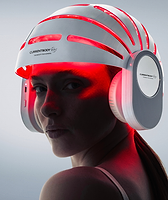
Red light therapy is a safe, non-invasive method for boosting collagen levels by penetrating the skin and fueling effective production.
Targeted collagen boost for your face
For targeted, clinically proven facial red light therapy, the CurrentBody Skin LED Red Light Therapy Mask combines red (633nm), near-infrared (830nm) and deep near-infrared (1072nm) light. After just 4 weeks, you can expect to see visibly firmer, brighter and smoother skin.

Full-body collagen support
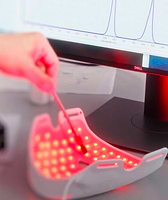
The CurrentBody Skin LED Light Therapy Panel is designed to cover larger areas, such as the neck, chest and back, for full body support. With a choice of straps or with a stand for hands-free use, this versatile light therapy panel uses red (633nm), near-infrared (830nm), deep near-infrared (1072nm) and blue (415nm) light to power 4 pre-programmed modes.
Looking to boost long-term results? Read our blog on how to bank collagen with red light therapy.

Support your skin with science-backed collagen boosting
Explore our LED Red Light Therapy Mask or LED Light Therapy Panel and complement your sessions with science-backed lifestyle adjustments to support collagen production at home and reverse signs of ageing, one treatment at a time.

Written By
Alicia Backhouse
Alicia is a beauty content specialist based in Manchester with over 5 years of experience in the beauty industry. Having worked with various cult skincare and haircare brands, Alicia now works in-house at CurrentBody Skin, calling on her own experiences with problem skin and industry expertise to inform her writing and express her passion for beauty technology.

